
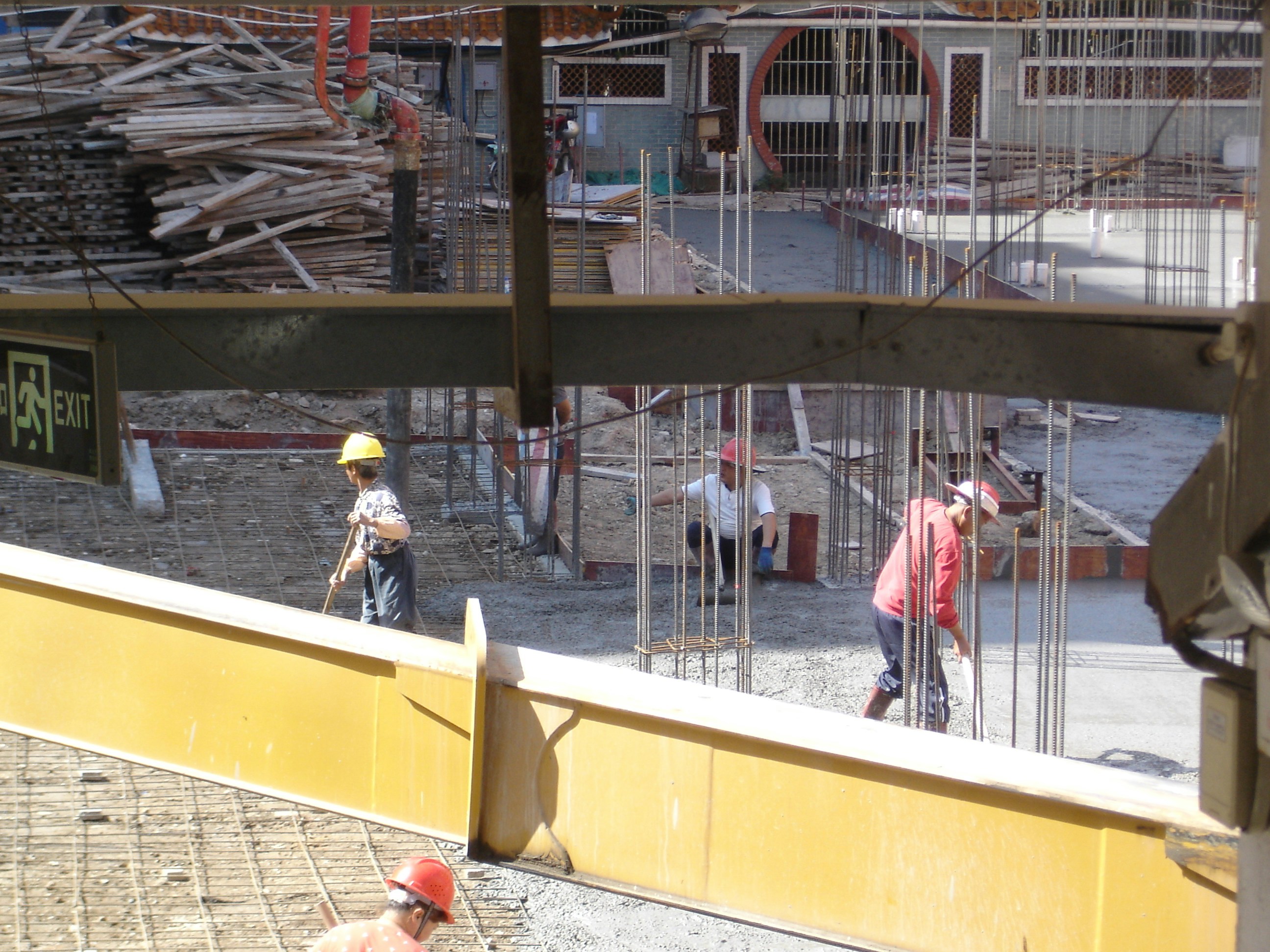
Understanding the Current Labor Market Landscape
The construction industry in Portland is currently navigating a considerable labor shortage, which has significant implications for the region’s economic stability and growth. Data indicates that there has been a stark decline in the availability of skilled workers, with the construction sector grappling to meet the surging demand for new housing and infrastructure projects. According to recent statistics, the construction workforce in Portland has decreased by approximately 15% over the last five years, resulting in a rising gap between supply and demand for labor.
This pressing shortage of construction workers is largely driven by the booming demand in various sectors, including residential, commercial, and public infrastructure projects. As Portland’s economy continues to expand, fueled by population growth and urban development, the need for skilled labor has reached unprecedented levels. Employers are struggling to hire enough workers, leading to project delays and escalating labor costs. A report from the Bureau of Labor Statistics shows that job openings in construction have nearly doubled in the past year alone, highlighting the urgent need for solutions to this ongoing crisis.
Moreover, immigration policies heavily influence the labor market landscape in Portland’s construction industry. Many employers rely on immigrant labor to fill skilled and unskilled positions. The current regulatory environment has complicated these hiring practices, resulting in further challenges for businesses seeking to address their labor shortages. Additionally, demographic shifts show an aging workforce, with many long-time construction workers retiring or leaving the trade without a substantial incoming cohort of young professionals to take their place.
To better understand the dynamics of this labor market, it is essential to consider both the evolving demand for construction services and the restrictive immigration policies that shape workforce demographics. These factors collectively contribute to the labor shortages that threaten the vitality of Portland’s construction industry.
The Role of Immigrant Labor in the Construction Sector
Immigrant labor has historically formed the backbone of Portland’s construction industry, providing essential skills that bridge gaps within the workforce. The contributions of these workers are critical not only for meeting the city’s growing construction demands but also for enhancing the overall adaptability and resilience of the sector. Many immigrant workers come equipped with specialized skills in carpentry, masonry, plumbing, and electrical work, allowing them to fill the labor shortages that often plague the industry.
However, beyond their technical abilities, immigrant workers exhibit a strong commitment to their jobs, often characterized by a remarkable work ethic and the eagerness to learn. Personal stories from individuals in the construction field underscore this dedication. For instance, Juan, an immigrant from Guatemala, has spent over a decade working as a carpenter in Portland. He recounts how he embraced various roles on the job site, demonstrating his versatile skill set while also mentoring newer workers. This kind of adaptability is vital for modern construction projects that require collaboration among diverse teams.
Despite their contributions, immigrant laborers face numerous challenges within the industry. Language barriers, lack of access to training opportunities, and concerns regarding job security may hinder their ability to thrive fully. Furthermore, the precarious nature of immigration status introduces additional layers of stress, complicating their work-life balance and long-term prospects. Nevertheless, the essential role of immigrant workers in Portland’s construction sector cannot be overstated; their contributions are indispensable in addressing labor shortages and driving economic growth. As the city continues to evolve, it becomes imperative to advocate for policies that support immigrant labor, enabling them to fully harness their potential and contribute to the community.
The Impact of Immigration Policies on Labor Supply
The construction industry in Portland, much like in numerous regions across the United States, has been significantly affected by current immigration policies. In recent years, changes in local, state, and federal immigration laws have altered the landscape for labor supply, particularly in sectors heavily reliant on immigrant workers. These policies directly impact the availability of skilled labor necessary for the construction sector to thrive, creating challenges for contractors and developers alike.
Federal immigration regulations, including work visa restrictions and enforcement actions, have hindered numerous immigrant workers from accessing employment opportunities within construction. With the demand for housing and infrastructure projects on the rise, the need for a stable and sufficient labor force has never been more prominent. Experts assert that when immigrants face obstacles in their pursuit of work visas, the labor supply diminishes, leading to project delays and increased labor costs. Industry leaders have voiced concerns over how this labor shortage can stifle growth and harm the overall economy.
Furthermore, state and local immigration policies can either exacerbate or alleviate these labor shortages. Recent legislative measures aimed at uplifting immigrant rights and simplifying work permit processes have shown potential in bridging the labor gap in Portland’s construction sector. Policy reforms that encourage skilled workers to remain in the region can enhance the competitiveness of the construction industry. Such initiatives are crucial as they not only serve to boost the labor market but also assist immigrant workers in achieving economic stability.
In conclusion, the intricate relationship between immigration policies and labor supply in Portland’s construction industry highlights the pressing need for effective reforms. By fostering a more inclusive approach, stakeholders can work towards a sustainable solution that benefits both the labor market and immigrant workers alike.
Solutions and Strategies for Overcoming Labor Shortages
Addressing the immigration-related labor shortages in Portland’s construction industry requires a multifaceted approach that includes innovative strategies and community involvement. One key solution is the establishment of apprenticeship programs that target young adults and individuals who may not have access to formal training. These programs can provide participants with hands-on experience in the construction sector, thereby developing a skilled workforce while creating pathways for legal immigrant workers to enter the industry. By collaborating with local unions and industry associations, these initiatives can ensure that apprentices receive comprehensive training and mentorship.
In addition to apprenticeships, partnerships with local colleges and vocational schools can play a significant role in bridging the skills gap within the construction workforce. By integrating construction management and technical training into curricula, educational institutions can equip students with the necessary skills while also promoting the industry as a viable career path for immigrants and local residents. Furthermore, these partnerships can facilitate internship opportunities, allowing students to gain practical experience while addressing labor shortages in real-time.
Recruitment strategies focused on immigrant communities should also be prioritized. Outreach programs can help engage these populations, educating them on available job opportunities, legal pathways, and resources within the construction sector. Employers should consider implementing inclusive hiring practices and language support services to create a welcoming environment that attracts diverse talent. Moreover, advocacy for supportive immigration policies is vital in ensuring that skilled workers can legally enter and contribute to the industry.
Finally, community engagement and resource allocation are crucial components in addressing labor shortages effectively. Encouraging collaboration between industry stakeholders, community leaders, and government entities can foster constructive relationships that support the construction workforce’s needs. By combining these efforts, Portland’s construction industry can enhance its capacity to thrive amid current labor challenges.
Leave A Comment